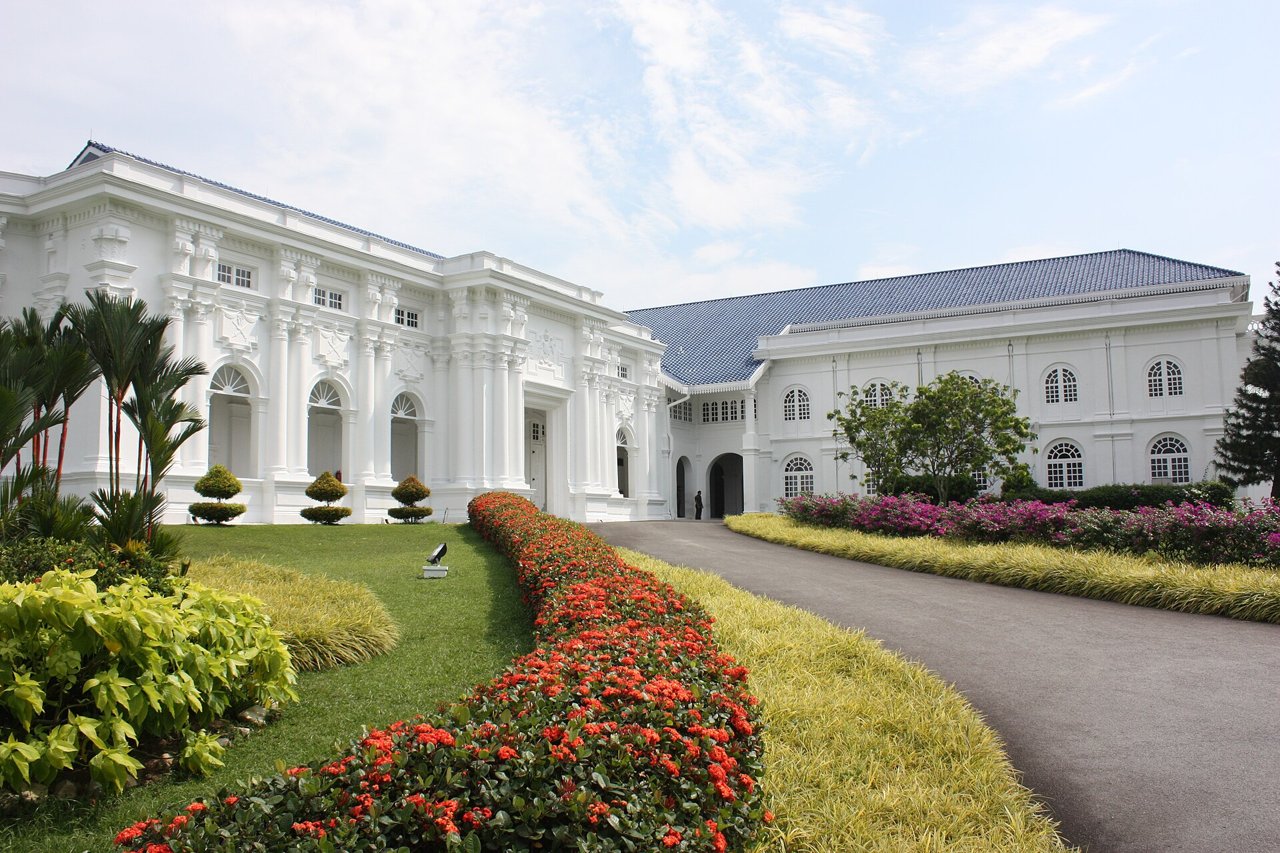
Johor Bahru began as a settlement called Tanjung Puteri and was renamed Johor Bahru in 1866, when Sultan Abu Bakar — the “Father of Modern Johor” — made it his new capital.
Most visitors know JB for its malls, food streets and the Causeway to Singapore. But the city has a real story behind it, and a few 19th-century buildings from that story are still standing a short drive from KSL City Mall. Here’s the short, accurate version.
How did Johor Bahru get its name?
In the mid-1800s the site was a modest riverside settlement known as Tanjung Puteri. It grew under Temenggong Daeng Ibrahim, the Johor administrator who developed the area from the 1850s and encouraged Chinese and other migrants to plant pepper and gambier. After his death in 1862, his son took over — and in 1866 moved the state’s administrative headquarters here and renamed it Johor Bahru, which means “New Johor” in Malay. That 1866 move is the moment the modern city really begins.
Who was Sultan Abu Bakar?
Abu Bakar (born 1833, died 1895) succeeded his father as ruler in 1862, took the title Maharaja in 1868, and was formally recognised as Sultan of Johor in 1886. He is widely called the “Father of Modern Johor” because he built the machinery of a modern state — a European-style administration, government departments, schools and infrastructure — and Johor became known for orderly, forward-looking governance. His reign is why so much of JB’s civic identity traces back to the late 19th century.
Which historic landmarks can you still visit?
Two survive prominently. The Istana Besar (Grand Palace) 📍 Map was completed in 1866 and commissioned by Abu Bakar; part of it now houses the Royal Abu Bakar Museum, set in gardens overlooking the Straits of Johor. Nearby, the Sultan Abu Bakar State Mosque 📍 Map was built between 1892 and 1900 — Abu Bakar died in 1895, before it was finished — and blends Victorian, Moorish and Malay design. (Both are working sites: check current opening hours and dress-code rules before you go.)
What about the grand government building on the hill?
The tall, castle-like Sultan Ibrahim Building on Bukit Timbalan 📍 Map came later — completed around 1940, under Abu Bakar’s successor — and served for decades as Johor’s state secretariat. It’s a striking landmark on the city skyline and a good reference point when you’re getting your bearings downtown. From there, JB kept growing into the border city of today: retail, industry, and the daily flow of people across the Causeway.
These sights sit close together in the old city core, and they pair well with a food-and-shopping weekend — see our guide to things to do in Johor Bahru and how to get around JB without a car. When you visit, stay in the middle of it all at KSL D’Esplanade: see our Studio and 2-bedroom units, then message us on WhatsApp to book direct.
Comments
No comments yet — be the first.