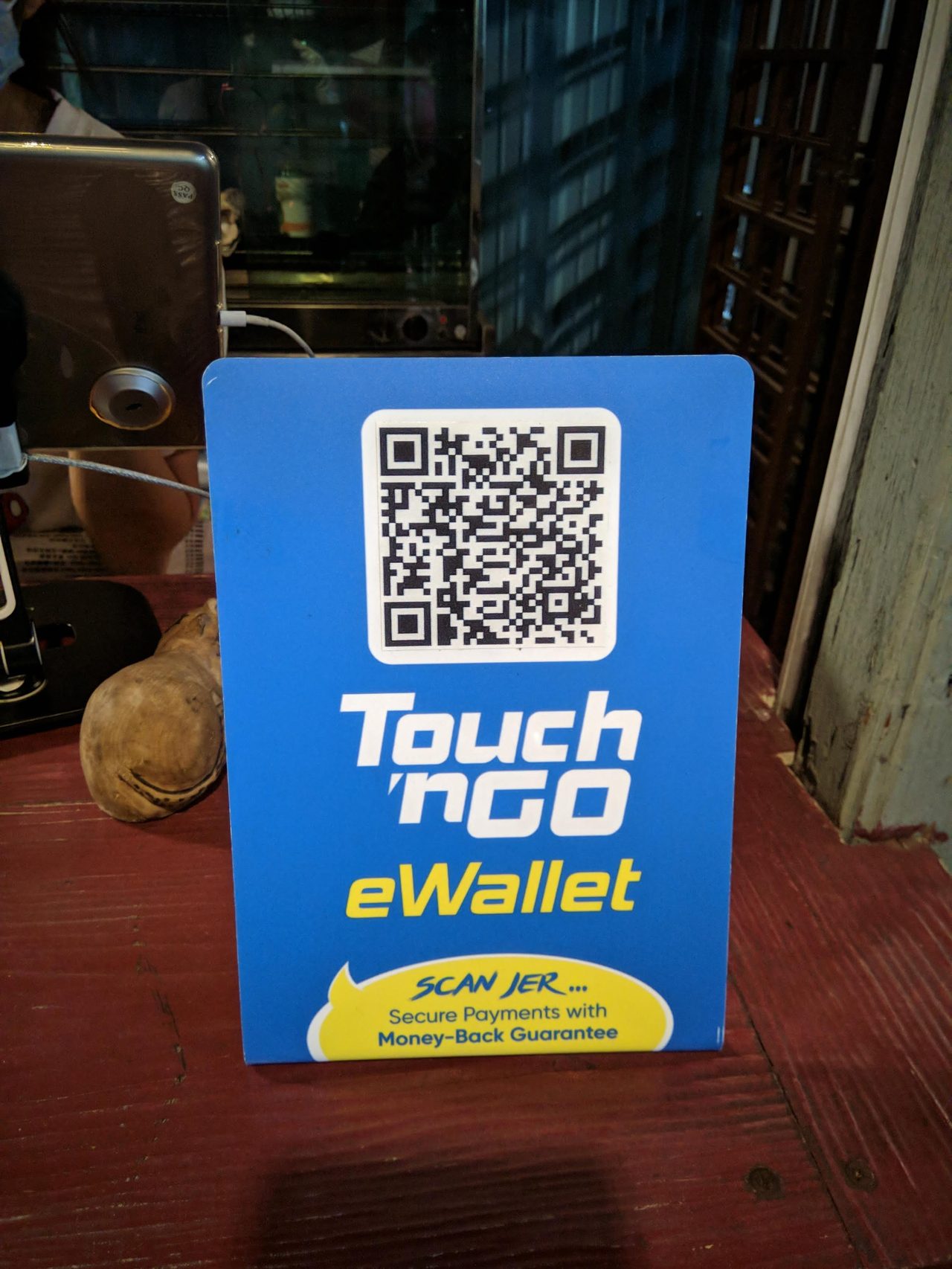
For most Singapore visitors, a comfortable JB weekend costs roughly RM300–600 per person covering food, transport, a massage and some shopping — bring that in small-denomination MYR notes for hawkers and night markets, then let Touch ‘n Go eWallet or your card handle malls and Grab.
Money questions are among the most searched JB topics after “how to cross.” This guide cuts to the practical answer: which money moves actually matter, which ones are overthought, and exactly what to set up before you arrive.
How much MYR do I need for a JB weekend?
Your exact spend depends on what you do, but here is a realistic frame most of our guests find useful:
- Meals: A sit-down meal at a good local restaurant typically runs around RM15–40 per person; hawker stalls and kopitiam come in at roughly RM6–15. Budget around RM30–80 per person per day for food and drinks as a working estimate.
- Transport: A Grab ride within JB commonly costs RM5–15; longer cross-city trips (for example to LEGOLAND or the outlet malls) can run RM35–60 one way. Download Grab before you cross — see our JB Grab price guide for route examples.
- Massage and wellness: A 60-minute foot reflexology session near KSL typically sits around RM40–80 depending on the outlet. Body massage and speciality sessions vary; our guide to massage near KSL has current outlet names.
- Shopping: Wildly variable — set your own cap and carry it in cash if you want a hard limit.
Keep a supply of small notes (RM5, RM10) for hawkers and night markets — many stalls won’t carry change for RM50. For exchange rates and the best money-changer locations in JB, see our full SGD to MYR exchange guide.
Should I set up Touch ‘n Go eWallet before visiting JB?
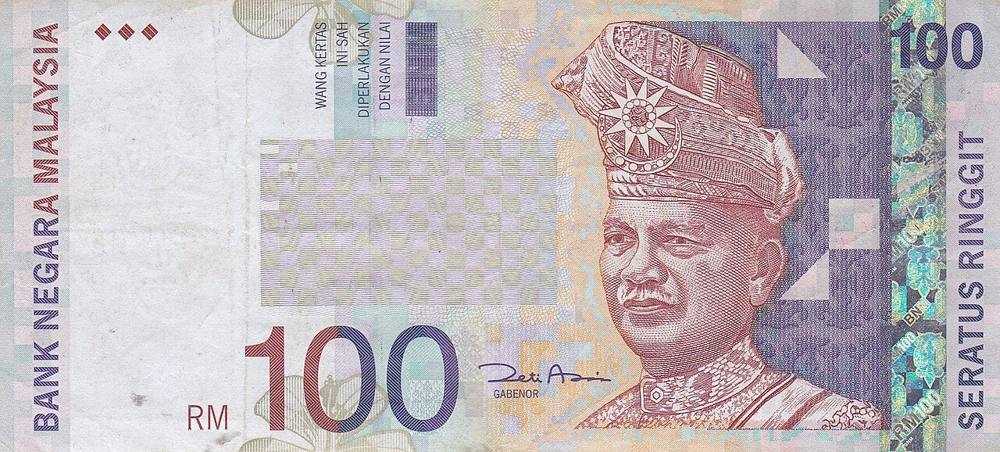
Yes, especially if you plan more than one JB trip. Many Singapore and international visitors can now register Touch ‘n Go eWallet using just a passport, a supported country mobile number and a WhatsApp one-time password — no Malaysian IC or local bank account required. Registration takes about five minutes in the app.
Once active, TNG eWallet lets you pay at millions of Malaysian merchants via QR scan, load Grab credits directly, and handle parking and toll payments if you drive. Most hawkers, malls and convenience stores in JB now display a QR code that accepts TNG alongside other Malaysian wallets.
One catch: topping up with a non-Malaysian card typically carries a fee (reported at a small percentage at the time of writing — check current rates inside the app). Treat TNG eWallet as a contactless convenience layer on top of a cash base, not a full replacement for it. Top it up in a sensible amount and it saves you the fumble for small change at every transaction.
Cash, card or eWallet — a simple decision guide
A practical rule of thumb for JB spending:
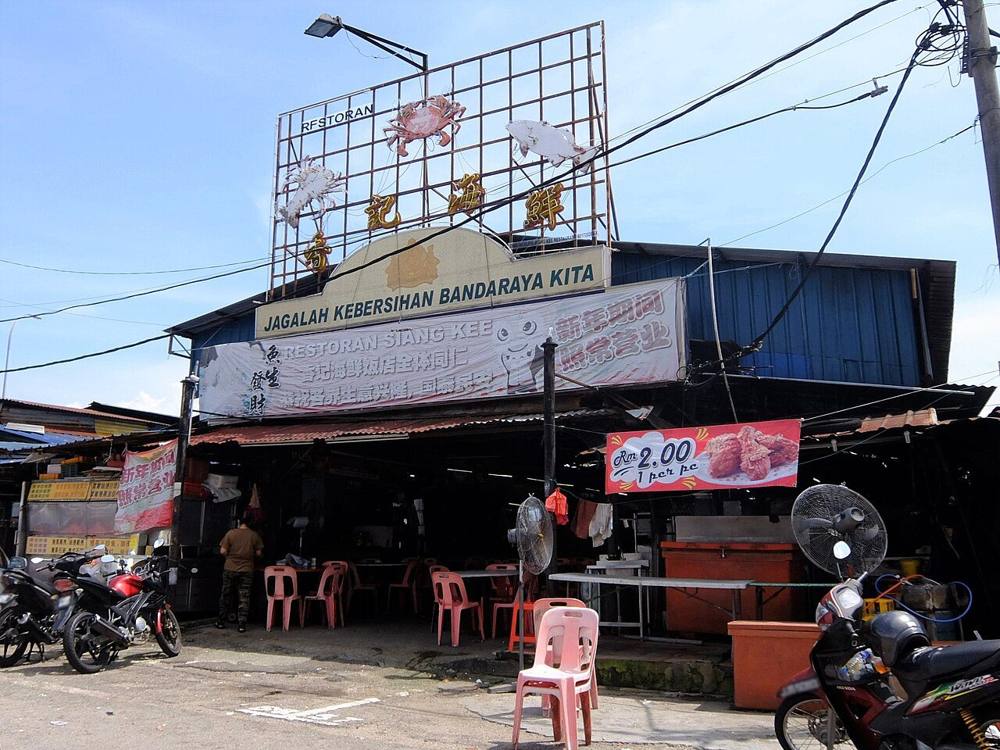
- Cash (MYR): Hawker stalls, pasar malam, kopitiam, wet markets, small shops, taxis and tips. Small notes are essential.
- Card: Supermarkets, restaurant chains, pharmacies and large retail. Always choose to be charged in ringgit, never in SGD or your home currency — Dynamic Currency Conversion (DCC) almost always costs more. Most JB malls accept Visa and Mastercard widely.
- TNG eWallet (or GrabPay / DuitNow QR): Grab rides, parking, merchants with QR signage, and any situation where you’d rather tap than count notes. DuitNow QR is widely co-accepted at the same terminals, so a single QR code often works across multiple wallets.
Where are the ATMs if I need emergency ringgit?
KSL City Mall — directly below KSL D’Esplanade — has ATMs from major Malaysian banks including Maybank and CIMB on the ground and lower ground floors. These accept most international Visa and Mastercard debit cards. Check your home bank’s overseas ATM withdrawal fee before you travel, as charges vary by bank and card type. The mall ATMs are a reliable backup if you arrive short on cash or want to top up mid-trip without hunting for a money changer.
Quick facts
- Currency: Malaysian ringgit (MYR). Most everyday prices in JB are quoted in ringgit only.
- Small notes: RM5 and RM10 are the most useful denominations for stalls and night markets.
- Card rule: if a terminal asks whether to pay in ringgit or your home currency, choose ringgit.
- Backup: ATMs and a supermarket sit in the same building as KSL D'Esplanade.
Can I pay in Singapore dollars in JB?
Some shops and stalls close to the border will accept SGD, and a few even quote prices in it. It works in a pinch, but the conversion is usually less favourable than paying in ringgit, so treat it as a fallback rather than a habit. Changing a sensible amount into MYR once, then topping up as you go, is the tidier approach.
Do I need to tip in JB?
Tipping is not generally expected at hawker stalls, kopitiams or casual restaurants. Some sit-down restaurants add a service charge to the bill, so check the receipt before adding anything extra. A small round-up for a Grab driver or a good massage therapist is appreciated but optional.
What are the most common money mistakes?
- Changing everything at the border: compare a couple of money changers away from the immediate crossing area first.
- Leaving it all to the eWallet: not every stall has a working QR code, and phone signal can be patchy inside large buildings.
- Carrying only big notes: a RM50 or RM100 note for a RM7 breakfast slows everyone down.
- Forgetting parking: if you drive, keep your Touch 'n Go card or eWallet loaded for car parks and tolls.
For everything else that trips up first-timers, from SIM cards to plugs, see our first-timer's guide to Johor Bahru.
Our serviced units at KSL D’Esplanade 📍 Map sit directly above KSL City Mall, putting money changers, ATMs, a supermarket and dozens of restaurants all on the same elevator ride. See our Studio and 2-bedroom units, then WhatsApp us at +60 12-708 8789 to check availability for your dates.
Comments
No comments yet — be the first.