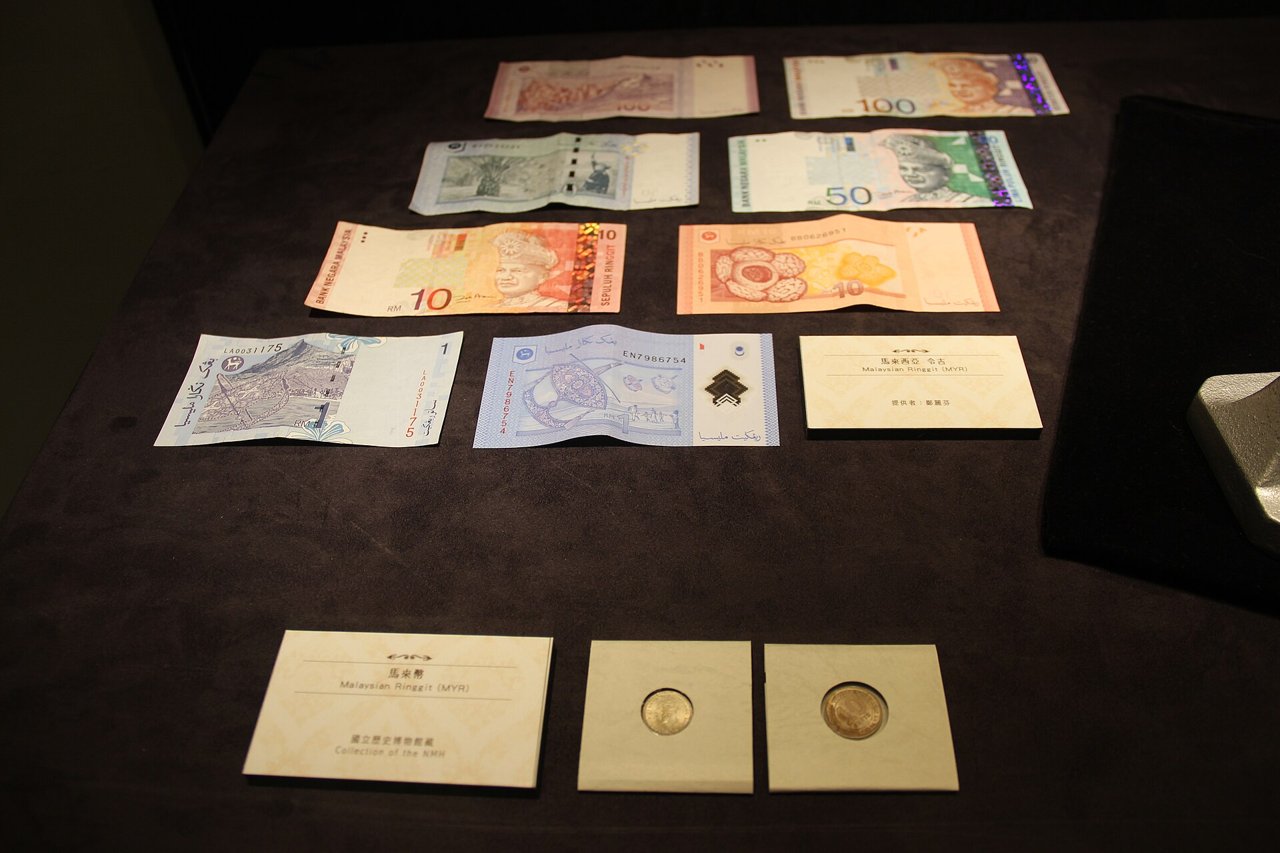
For most Singaporeans, changing money at a Johor Bahru mall changer — not in Singapore and not at the airport — gives the best SGD-to-MYR rate, and the biggest clusters sit inside KSL City Mall, City Square and JB Sentral.
You've crossed the border, you're hungry, and you need ringgit. The good news: money changing in JB is easy, competitive and usually cheaper than doing it back home. The trick is knowing where the counters cluster, how to spot a fair rate, and when to just tap a card or an e-wallet instead of carrying cash. Here's how we brief our own guests at Southern Homestay.
Where do JB's money changers cluster?
Licensed changers concentrate inside the big malls, so you rarely have to walk far. Right next to the border, 📍 Map Johor Bahru City Square sits beside 📍 Map JB Sentral, so the first counters most day-trippers meet are here and inside the JB Sentral / CIQ building itself — convenient, and typically open long hours. Deeper into the city, 📍 Map KSL City Mall has a well-known ground-floor changer plus a few independents, and 📍 Map Komtar JBCC has basement counters a short walk from CIQ. Mall changers commonly run roughly 10am–10pm daily, but hours vary by outlet — check the specific counter before you rely on it.
Which spot gives the best SGD-to-MYR rate?
As a rule of thumb reported by JB travel guides, the changers at 📍 Map Mid Valley Megamall Southkey tend to post the sharpest SGD-to-MYR rates, thanks to heavy foot traffic and lots of competing counters. KSL City Mall is usually a hair behind but very close, while City Square — right at the border — often runs slightly worse because of its captive immigration crowd. Either way, JB mall changers generally beat Singapore rates. A few quick habits: compare two or three counters before committing, ask for the rate on your note amount (larger amounts sometimes get a better rate), and count your cash before leaving the window. Rates move daily, so treat any number you see online as indicative — check the board on the day.
Cash, card or Touch 'n Go eWallet?
You don't have to go all-cash. Here's the honest breakdown — verify current fees with your own bank and app before you travel:
- Cash — still king at hawker stalls, wet markets, small kopitiams and some parking machines. Change enough for food and taxis; you can always top up.
- Card — fine at malls, supermarkets and bigger restaurants. Watch for foreign-transaction fees and always choose to be charged in ringgit, not Singapore dollars (dynamic currency conversion usually costs you more).
- Touch 'n Go eWallet — Malaysia's default QR e-wallet now lets many foreign tourists register with a passport, a supported-country phone number and a WhatsApp one-time password. Once set up it works at 2 million-plus merchants and can pay for Grab rides. Topping up with a non-Malaysian card typically carries a reload fee (reported at up to a few percent at the time of writing — check the current figure in-app), so it's a convenience tool, not necessarily the cheapest way to move money.
How much cash should you actually change?
For a weekend of food, massage and shopping, most couples change a modest amount of cash for hawker meals, taxis and tips, then card or e-wallet everything bigger. If you run low, you're never far from a counter in the malls above. First time driving over? Read our guide to a painless JB weekend, and see what's downstairs at KSL City Mall — including the money changers — when you stay above it.
Stay right above the money changers, food and shopping: Southern Homestay runs studio and 2-bedroom serviced condos at 📍 Map KSL D'Esplanade, so a ground-floor changer is a lift ride away. See our Studio and 2-bedroom units or WhatsApp us for availability.
Comments
No comments yet — be the first.