
Johor Bahru is one of Malaysia's best-value food cities: come hungry for peppery bak kut teh, seafood dai chow, banana leaf rice and late-night mamak — most of it a fraction of Singapore prices, and much of it walkable when you stay by KSL City Mall.
People cross the Causeway for the food, and JB delivers. Here's what to actually order, and where locals go for it.
What food is Johor Bahru famous for?
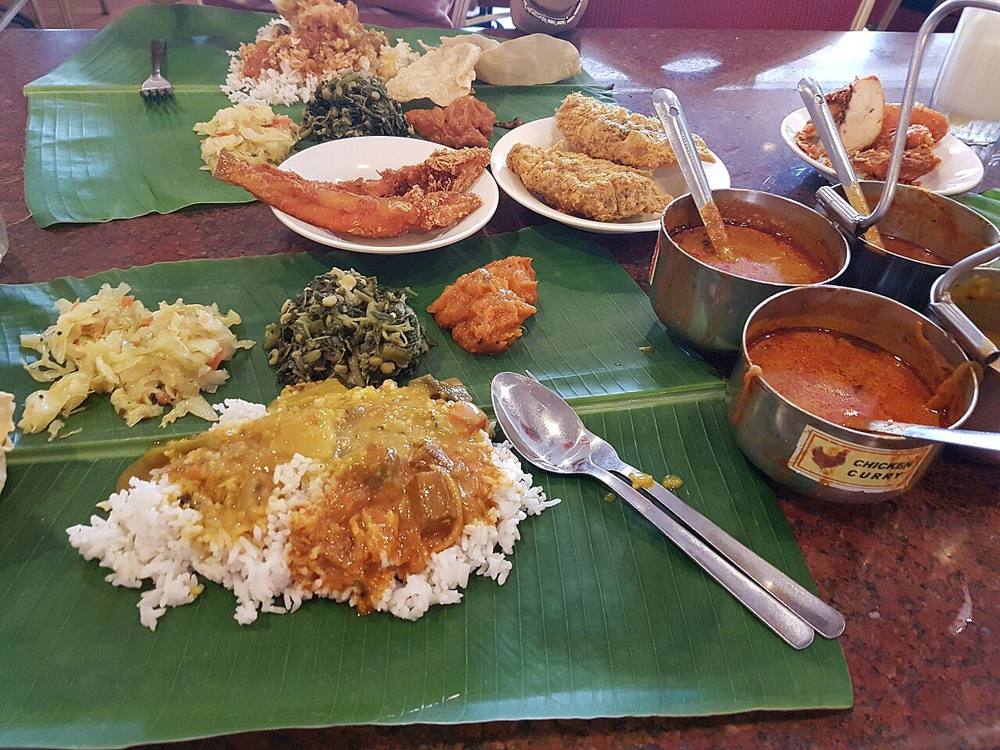
Start with bak kut teh — the herbal, peppery pork-rib soup that's practically a JB breakfast. Then work through seafood dai chow (zi char), banana leaf rice, fishball noodles and kway teow kia (flat noodles in a dark herbal broth). Save room for Hainanese-style bakes like the wood-fired banana cake JB is known for.
Where do JB locals eat near the city centre?
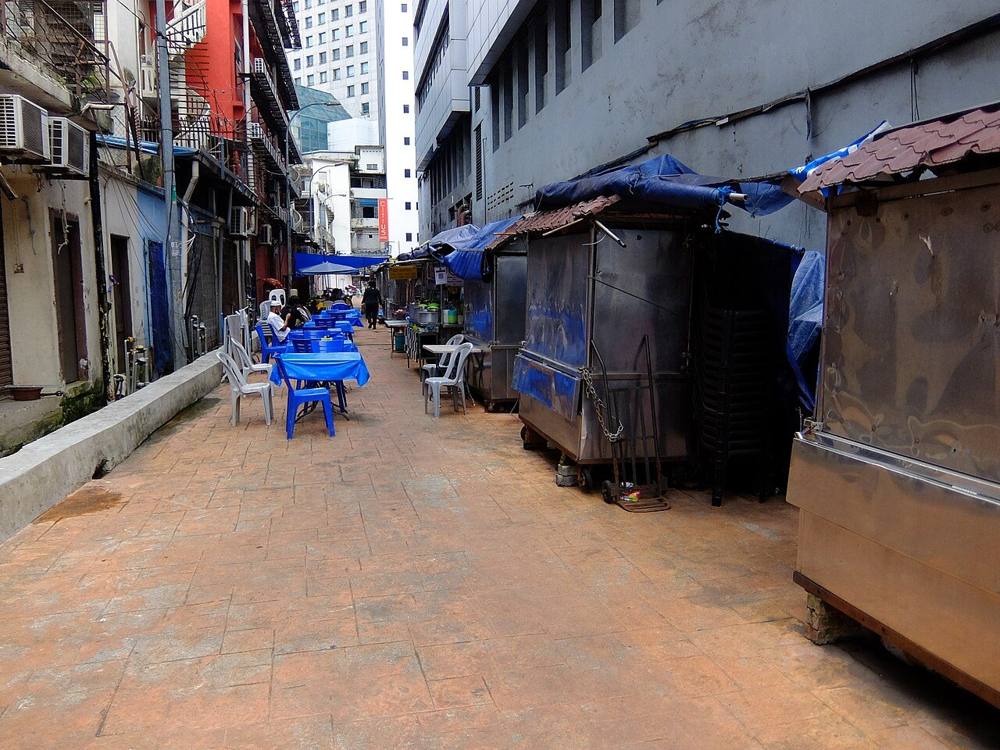
The food streets of Taman Abad and nearby Jalan Serampang — right by KSL — are lined with bak kut teh shops, dai chow and 24-hour mamak stalls for late-night roti canai. Closer to the checkpoint, Meldrum Walk is a classic open-air hawker cluster. It's all a short walk or Grab ride from what's downstairs at KSL City Mall.
Is Johor Bahru food cheaper than Singapore?
Yes — a casual hawker meal in JB typically costs a fraction of the Singapore equivalent, which is exactly why weekenders come hungry. Bring some ringgit for the stalls that don't take cards, and pace yourself: three meals a day here is a real plan, not a joke.
Where should you stay for the food?
Quick facts
- Roti canai and teh tarik make a classic Malaysian breakfast, found at mamak stalls and Indian-Muslim eateries.
- Banana leaf rice is traditionally eaten with the right hand; servers usually keep topping up until you signal you are done.
- Sharing dishes is normal, so order a few for the table.
- Carry small ringgit notes for stalls that do not take cards.
How do you order at a JB hawker stall?
Grab a table first, then order from the stall or wait for the server. Many places have you pay at the counter or when you finish. If a stall has a queue of locals, that is usually a good sign. Do not be shy to point at what others are eating. Drinks such as teh tarik (pulled milk tea) or kopi are ordered separately from the drinks stall. For late-night ideas, our Century Street Food Court guide shows what is open when others have closed.
What is a good first-day eating plan?
Start with roti canai and teh tarik for breakfast, then a bowl of noodles or rice at lunch. In the afternoon, share dessert or a coffee. For dinner, choose one dai chow (zi char) place and order a few dishes to share, then finish with a late roti canai if you still have room. Spread the heavy meals out and you can eat more.
Any tips for spice, pork and dietary needs?
If you do not handle chilli well, ask for less spicy or sambal on the side. Bak kut teh and many Chinese stalls serve pork, so Muslim travellers should stick to certified halal places; see our JB halal food guide linked above. Vegetarians can find banana leaf rice sides and many vegetable dishes, but check whether sauces contain shrimp paste or meat stock.
What are the honest downsides?
Popular places can be busy and hot, seating may be shared, and some stalls have limited English. It is part of the fun. Stay close by and you can come back for round two. WhatsApp us on +60 12-708 8789.
Stay where the food is. Southern Homestay's units at KSL D'Esplanade put a supermarket, a food court and the Taman Abad hawker streets within a short walk, so you can eat, nap and eat again. For the full hawker centre experience, see our JB hawker centre guide. Muslim travellers should check our JB halal food guide for JAKIM-certified options. And for a traditional morning kopitiam visit, read our JB kopitiam breakfast guide. Planning the trip? Read our Causeway crossing guide — and if you're in town on a state public holiday, our Johor election day guide covers what stays open. Then see our Studio and 2-bedroom units or WhatsApp us for a unit near all of it.
Comments
No comments yet — be the first.